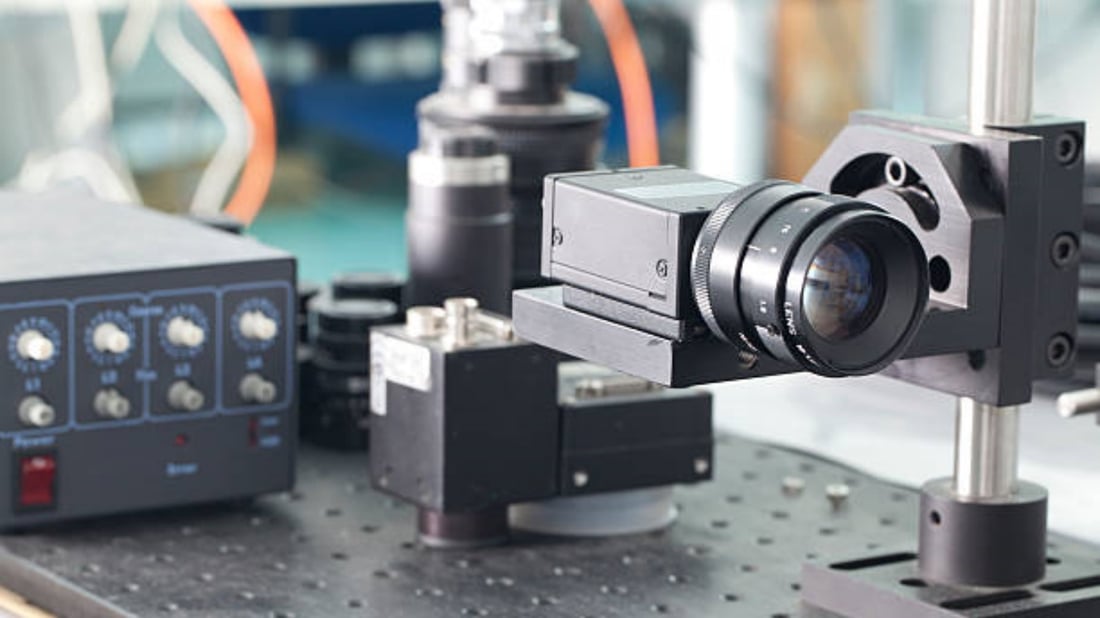
The LV-SC400-3D vibration testing equipment stands as a pivotal tool in the world of engineering and manufacturing testing solutions. Designed to simulate real-world vibration environments, this advanced equipment offers three-dimensional vibration analysis, ensuring components and products can endure various stress factors. Its application spans aerospace, automotive, electronics, and other industries where reliability under mechanical stress is critical.
Technical Specifications and Design Features
The LV-SC400-3D vibration testing equipment incorporates state-of-the-art technology including multi-axis vibration control, high-precision sensors, and robust structural materials. It features digital signal processing units enabling accurate measurement with minimal noise interference. The equipment’s compact yet sturdy design allows it to perform under a wide frequency range, delivering reliable results for both low-frequency shock testing and high-frequency vibration analysis.
Three-Dimensional Vibration Analysis Capabilities
Unlike conventional mono- or bi-axial systems, the LV-SC400-3D vibration testing equipment offers comprehensive 3D vibration simulation by simultaneously inducing motion along three mutually perpendicular axes. This capability replicates real operational environments more accurately, providing manufacturers with critical data on how products will perform under complex stress conditions, which is essential for durability and safety assessments.
Applications in Aerospace Industry
In aerospace testing, the LV-SC400-3D vibration testing equipment plays an indispensable role in qualifying and validating components such as avionics, engines, and structural assemblies. The equipment’s precise vibration simulation replicates the dynamic launch and flight conditions, enabling engineers to detect weaknesses and ensure compliance with stringent aerospace quality standards.
Use in Automotive Component Testing
Automotive manufacturers leverage the LV-SC400-3D vibration testing equipment to test drivetrain parts, electronics, and chassis components. Given the harsh conditions vehicles encounter, this equipment helps simulate rough road conditions and engine-induced vibrations, enabling engineers to identify potential failure points early in the design phase and increase vehicle reliability.
Integration with Advanced Data Acquisition Systems
The LV-SC400-3D vibration testing equipment is compatible with cutting-edge data acquisition and analysis software. This integration allows real-time monitoring and visualization of vibration data, facilitating detailed post-test analysis. Engineers can thus detect trends and anomalies with greater speed, improving the efficiency of the testing cycle.
Benefits of Automated Testing Protocols
Equipped with programmable testing sequences, the LV-SC400-3D vibration testing equipment offers automation capabilities that reduce human error and increase repeatability. Automated protocols enable consistent testing conditions across multiple batches of products, which is essential for quality control and regulatory certification processes.
Durability and Maintenance Considerations
Constructed from high-durability materials, the LV-SC400-3D vibration testing equipment requires minimal maintenance despite frequent heavy-duty use. Its modular components are designed for easy replacement, reducing downtime. Regular calibration routines ensure sustained precision, making it a cost-effective investment over time.
Environmental and Safety Standards Compliance
This equipment aligns with international safety and environmental regulations, including CE and RoHS directives. Its design minimizes electromagnetic interference and reduces noise pollution in the testing environment, ensuring safe usage and compliance with workplace health standards.
Future Trends and Innovations
Looking ahead, the LV-SC400-3D vibration testing equipment is evolving with the integration of AI-based predictive analytics and IoT connectivity. These advancements aim to further enhance testing accuracy, enable remote operation, and provide predictive maintenance insights, keeping testing capabilities in step with modern industry demands.
Quote Inquiry
contact us