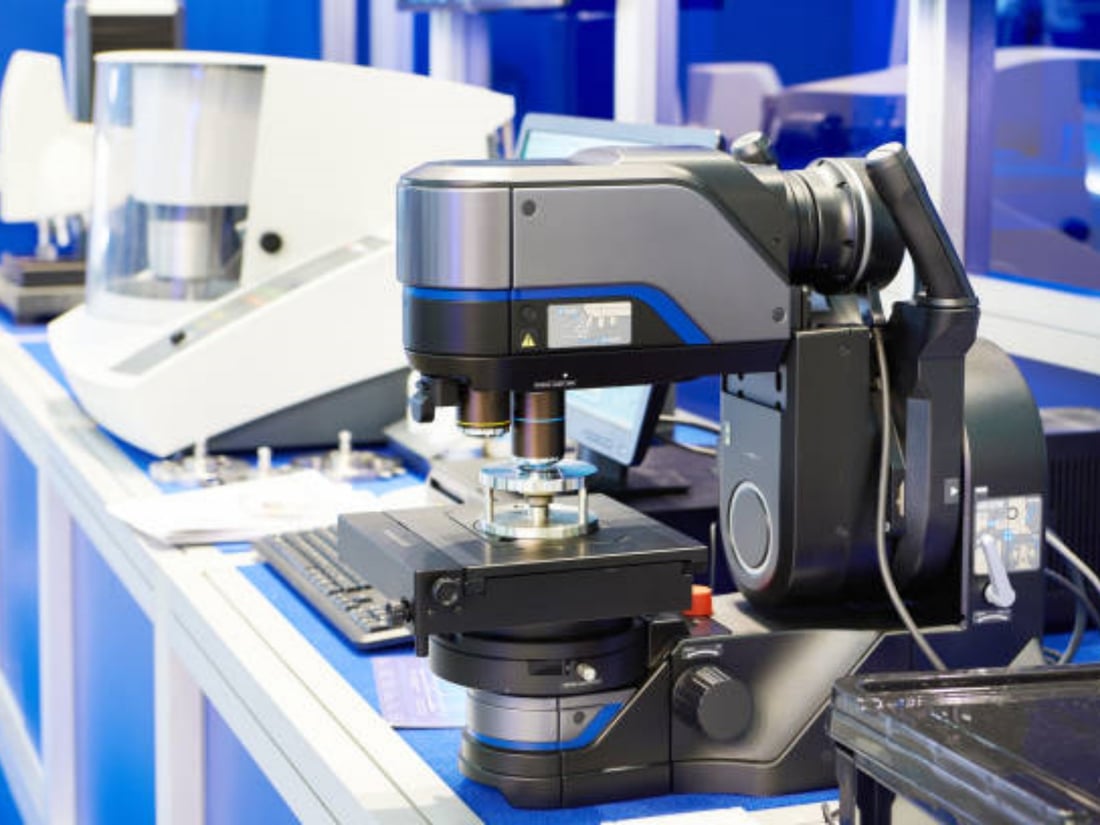
A Non Contact Laser Vibrometer is an advanced optical instrument designed to measure the vibrational velocity and displacement of surfaces without physical contact. Utilizing laser Doppler vibrometry principles, it emits a focused laser beam that reflects off the target surface. The frequency shift in the reflected beam caused by the vibrating surface allows for precise calculation of vibration parameters. This contactless approach is crucial for testing delicate or moving components where traditional contact sensors might alter the behavior or damage the object.
Key Advantages of Non Contact Laser Vibrometer Systems
One of the most significant advantages of a Non Contact Laser Vibrometer lies in its ability to measure vibrations accurately while avoiding mass loading effects inherent in contact sensors. Its non-contact nature ensures no mechanical influence on the specimen, preserving the integrity of the measurement. Additionally, these systems offer high spatial resolution, enabling localized vibration analysis and extending capabilities to hard-to-reach or hazardous environments.
Applications in Industrial Machinery Monitoring
In industrial settings, Non Contact Laser Vibrometers serve as essential tools for monitoring the vibrational health of machines such as turbines, motors, and pumps. Early detection of abnormal vibrations helps predict failures and schedule maintenance, minimizing unplanned downtime. Their ability to measure vibrations on high-speed rotating components without physical attachments increases safety and reliability in diagnostic procedures.
Role in Aerospace Component Testing
The aerospace industry leverages Non Contact Laser Vibrometer technology to analyze structural vibrations of aircraft components and materials under various operational stresses. Precision vibration measurements enable engineers to assess fatigue, structural integrity, and dynamic behavior without mounting sensors that could interfere with aerodynamic properties or introduce errors during high-velocity testing.
Contributions to Research and Material Characterization
In research environments, the Non Contact Laser Vibrometer is invaluable for characterizing material properties such as elasticity, modal frequencies, and damping factors. The ability to capture vibration modes in beams, membranes, and complex structures assists scientists in developing new materials and understanding their mechanical responses, furthering innovations across engineering fields.
Integration with Non-Destructive Testing Techniques
Non Destructive Testing (NDT) methods benefit from Non Contact Laser Vibrometers by providing a non-invasive way to detect cracks, delaminations, and defects in materials. By analyzing vibration patterns and response changes, defects can be identified early without compromising the material’s integrity, allowing for safe and efficient quality assurance.
Advancements in Biomedical and Micro-Mechanical Applications
Emerging uses of Non Contact Laser Vibrometers include biomedical engineering and micro-electromechanical systems (MEMS). These vibrometers can measure micro-vibrations of cells, tissues, or tiny mechanical devices at high sensitivity, facilitating diagnostics, device optimization, and research at microscopic scales where contact-based sensors are impractical.
Technical Considerations: Laser Types and Measurement Accuracy
Non Contact Laser Vibrometers commonly utilize coherent laser sources like Helium-Neon or diode lasers for optimal beam stability. The system’s measurement accuracy depends on factors such as laser wavelength, beam focusing, and environmental noise control. Accurate calibration and signal processing algorithms enhance the signal-to-noise ratio, ensuring reliable vibration data.
Challenges and Limitations of Non Contact Laser Vibrometry
Despite its benefits, the technology faces challenges including sensitivity to ambient light interference and surface reflectivity. Surfaces with low reflectivity or rough textures can reduce signal strength, necessitating surface preparation or specialized optics. Environmental vibrations and air currents can also affect measurements, requiring controlled conditions for optimal performance.
Future Trends in Non Contact Laser Vibrometer Development
Future developments aim to improve portability, real-time data processing, and integration with advanced imaging systems. Innovations such as multi-point laser vibrometers and combined sensor platforms will expand utility across sectors. Advances in AI-driven analysis may also enhance defect detection and predictive maintenance, making Non Contact Laser Vibrometry a more versatile and powerful diagnostic tool.
Quote Inquiry
contact us