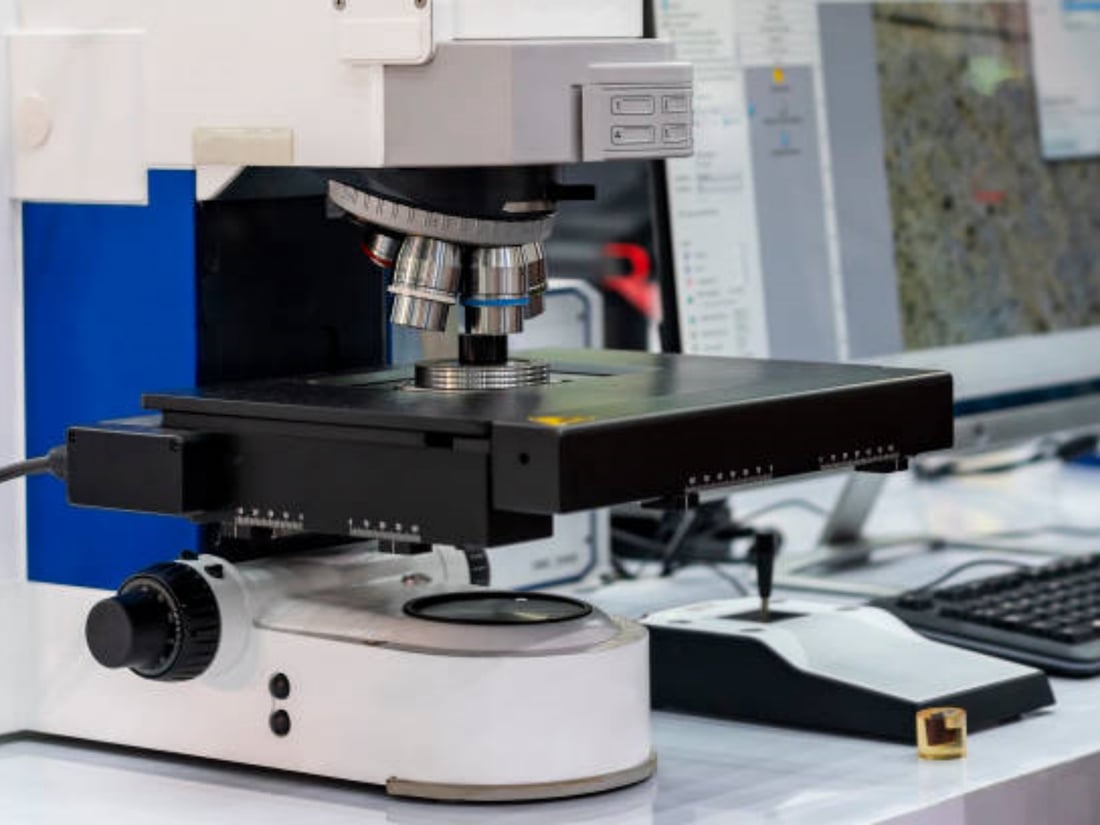
High precision laser vibrometers are advanced optical instruments designed to measure vibration velocity and displacement with exceptional accuracy. Utilizing laser interferometry, these devices eliminate the need for physical contact, providing precise vibration data in various applications ranging from industrial diagnostics to scientific research. The non-contact nature and remarkable sensitivity of high precision laser vibrometers make them invaluable in environments where traditional sensors cannot be applied.
Core Principles Behind Laser Vibrometry
The high precision laser vibrometer operates on the Doppler effect and interferometric principles. A laser beam is directed toward a vibrating surface, and the frequency shift or phase change in the reflected light corresponds to the velocity and displacement of that surface. This method offers micrometer or even nanometer level resolution, a key reason for the device’s superiority in measuring subtle dynamic behaviors.
Applications in Aerospace and Automotive Industries
In the aerospace and automotive sectors, high precision laser vibrometers play a critical role in ensuring structural integrity and performance optimization. They are used to detect vibrations in aircraft components, engines, and vehicle bodies, helping engineers identify potential faults or fatigue. The high accuracy and non-contact feature enable safe testing of sensitive parts under realistic operating conditions.
Non-Destructive Testing and Quality Control
High precision laser vibrometers are essential tools for non-destructive testing (NDT) and quality assurance processes. By precisely measuring vibration signatures, manufacturers can detect flaws such as cracks, delamination, or material inconsistencies without damaging the components. This capability translates into reduced downtime and improved reliability across various manufacturing industries.
Use in Medical Diagnostics and Biomechanics
Advanced medical research and diagnostics also benefit from high precision laser vibrometers. These instruments can measure vibrations in biological tissues, aiding in the analysis of cardiovascular motions, vocal cord vibrations, and other biomechanical functions. Non-invasive and highly sensitive, they provide crucial information that supports disease diagnosis and treatment optimization.
Advantages Over Traditional Contact Sensors
Compared to traditional contact vibration sensors like accelerometers or displacement transducers, high precision laser vibrometers offer several advantages. They avoid mass loading effects that can alter vibration behavior, provide higher frequency response, and can measure hard-to-reach or delicate surfaces without physical interference. This makes them ideal for precise and reliable vibration analysis.
Key Features Ensuring High Precision Performance
Several features contribute to the exceptional precision of laser vibrometers, including high-quality laser sources, stable interferometric setups, and sophisticated signal processing. Modern devices incorporate vibration isolation technologies and advanced optics to minimize environmental influences, ensuring accurate, repeatable, and reliable measurements even in challenging conditions.
Role in Structural Health Monitoring
High precision laser vibrometers are becoming integral to structural health monitoring (SHM) systems. By continuously measuring vibrations in bridges, buildings, and mechanical structures, these devices help detect early signs of degradation or damage. Early detection through precise vibration data enhances safety and reduces maintenance costs by facilitating timely interventions.
Integration with Data Analysis and Automation Systems
Incorporating high precision laser vibrometers into automated monitoring and data analysis frameworks amplifies their value. Real-time vibration data can be fed into machine learning algorithms and predictive maintenance platforms, enabling smart diagnostics and operational optimization. The ability to seamlessly integrate with digital systems enhances efficiency and decision-making accuracy.
Future Trends and Innovations
The future of high precision laser vibrometer technology looks promising with ongoing advancements in laser sources, micro-optics, and data processing. Innovations aim to increase measurement speed, miniaturize devices, and extend applicability to more complex environments. Emerging applications in quantum sensing and ultrafast dynamics are expected to expand the boundaries of vibration measurement capabilities further.
Quote Inquiry
contact us