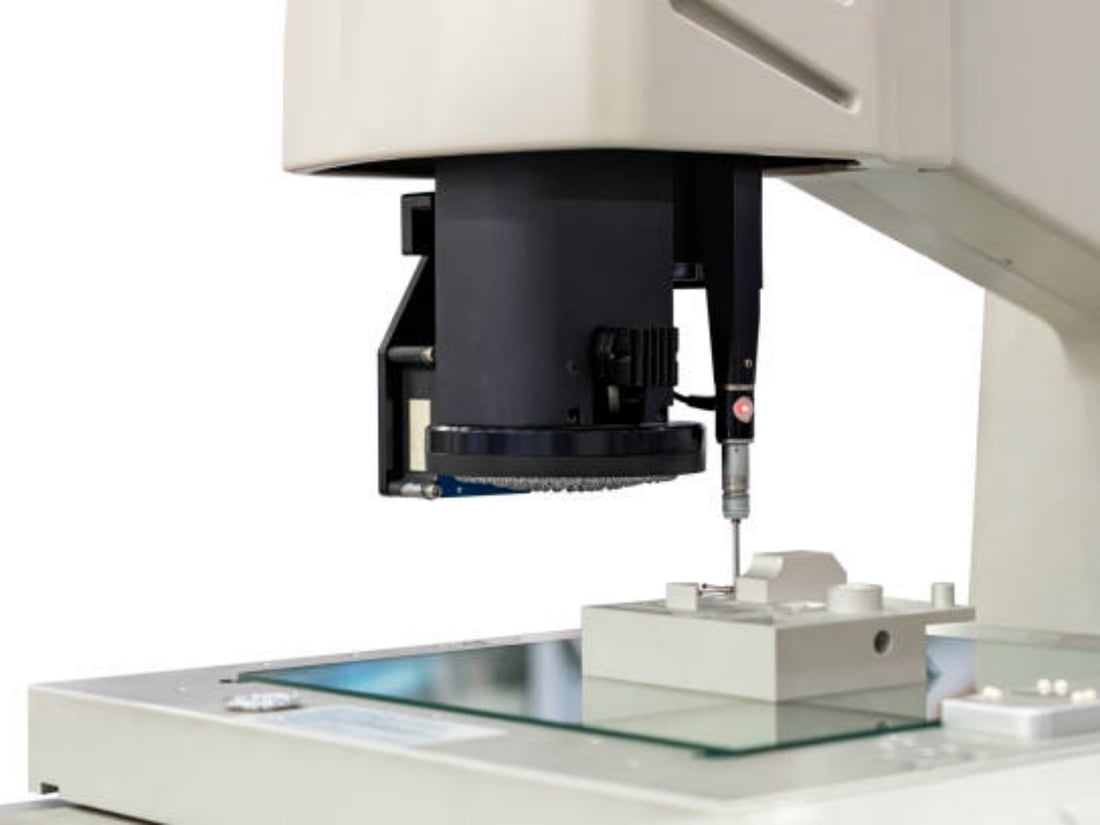
A microscopic single point laser vibrometer is a highly specialized optical instrument designed to measure vibrations at microscopic scales with exceptional precision. Unlike traditional vibrometers, this device employs laser interferometry to capture vibration data from a single localized point on the surface of a small object or a microsystem. This technology is essential for applications requiring non-contact and highly sensitive vibration analysis, especially in microelectromechanical systems (MEMS), biological samples, and semiconductor components.
Principles of Laser Interferometry in Vibrometry
At the core of the microscopic single point laser vibrometer lies laser interferometry, which measures the Doppler shift of a reflected laser beam caused by the surface’s vibration. The tiny displacement of the surface modulates the frequency of the returning laser light, allowing the vibrometer to translate this into velocity or displacement data. This principle enables sub-nanometer resolution vibrations to be detected without any physical contact that could alter the measurement or damage delicate samples.
Advantages of a Single Point Measurement Approach
Focusing on a single point provides a high level of spatial resolution, making it ideal for examining localized mechanical behaviors on small-scale structures. This approach reduces signal noise by limiting the measurement area, ensuring that only the specific vibration of interest is captured. Consequently, microscopic single point laser vibrometers are particularly beneficial in research and quality control environments where pinpoint accuracy is critical.
Applications in MEMS and Microsystems
Microscopic single point laser vibrometers play a pivotal role in the characterization of MEMS devices, where structural vibrations influence performance and reliability. These fragile microsystems often exhibit complex vibrational modes that require detailed investigation during both design optimization and failure analysis. The non-contact nature of the laser vibrometer eliminates the risk of physically disturbing these sensitive components during testing.
Use in Semiconductor Industry for Wafer and Component Testing
In semiconductor manufacturing, the integrity of wafers and microchips is fundamental to device performance. Microscopic single point laser vibrometers are used to detect micro-vibrations and structural resonances within circuitry and substrate materials. This enables early identification of defects or weak points without engaging destructive testing methods, thus enhancing overall product quality and yield.
Biological and Medical Research Applications
This vibration measurement technique extends into biological sciences, where microscopic motion analysis of cells and tissues is valuable. For instance, analyzing biomechanical vibrations in cellular membranes or tiny biological filaments can elucidate physiological processes or disease pathologies. The microscopic single point laser vibrometer’s ability to detect subtle, rapid movement empowers research with minimally invasive observation capabilities.
Integration with Advanced Microscopy Techniques
Combining microscopic single point laser vibrometry with optical microscopes or scanning electron microscopes creates a powerful tool for simultaneous structural and vibrational analysis. This synergy allows scientists and engineers to visualize microstructures while concurrently measuring their dynamic response, providing a fuller understanding of material behavior on a microscopic scale.
Resolution and Sensitivity Capabilities
The precision of microscopic single point laser vibrometers is evidenced by their ability to detect vibrations as small as picometers in amplitude at frequencies ranging from low to several MHz. Such high sensitivity supports advanced research and industrial testing protocols where even the slightest mechanical oscillations can affect device function or material integrity.
Challenges and Limitations
While offering numerous advantages, microscopic single point laser vibrometry also faces limitations. Environmental vibrations, surface reflectivity, and alignment precision are critical factors that affect measurement accuracy. Additionally, the single point method restricts measurement to one location at a time, which can be time-consuming when mapping multiple areas unless combined with scanning mechanisms.
Future Trends in Microscopic Laser Vibrometry
The future of microscopic single point laser vibrometers lies in enhanced automation, miniaturization, and integration with smart control systems. Advances in laser sources, detector sensitivity, and data processing algorithms are poised to elevate measurement speeds and accuracy. Moreover, coupling vibrometry with artificial intelligence could enable real-time diagnostics and adaptive testing in industrial, scientific, and medical fields.
Quote Inquiry
contact us