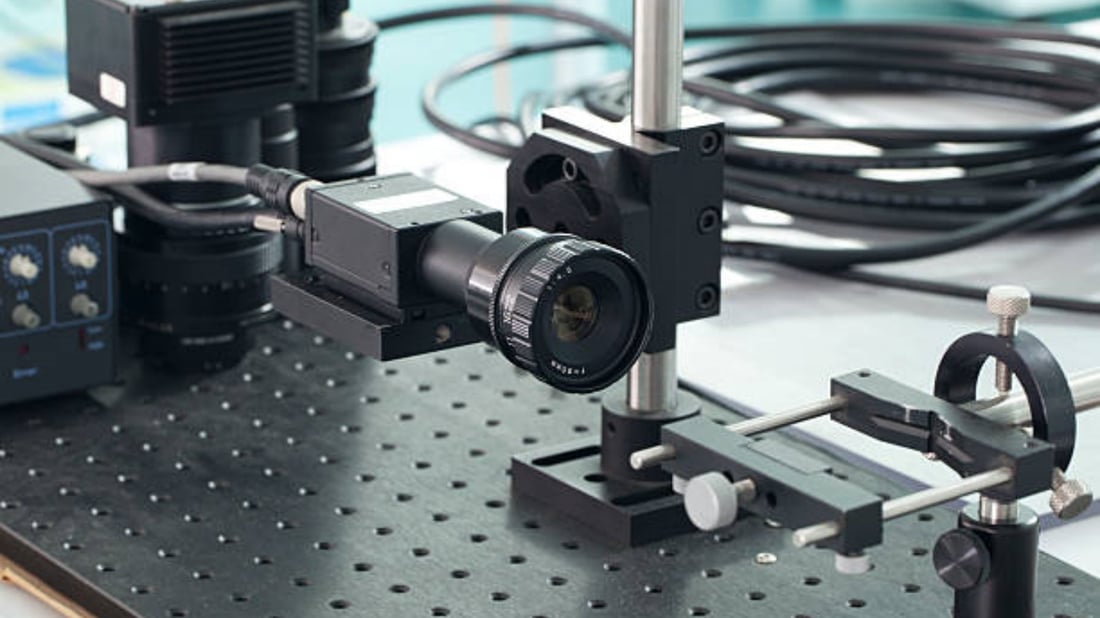
A multi-point 3D vibration scanner is a sophisticated diagnostic tool designed to capture vibrational data from multiple locations simultaneously in three-dimensional space. Unlike traditional single-point vibration sensors, this technology provides comprehensive spatial vibration profiles that improve analysis accuracy and reliability in various industries. Its ability to detect subtle vibrational anomalies helps in predictive maintenance, fault detection, and structural health monitoring.
Principles Behind Multi-Point 3D Vibration Scanning
The core functionality of a multi-point 3D vibration scanner is based on sensors capable of recording vibration amplitude and frequency along three orthogonal axes. By placing several sensors strategically, the scanner constructs a 3D vector map of the vibration field over time. This multidimensional approach facilitates a detailed understanding of complex vibrational modes, resonance patterns, and directional forces affecting the equipment or structure.
Applications in Industrial Machinery Monitoring
Industries such as manufacturing, automotive, aerospace, and energy rely heavily on multi-point 3D vibration scanners for real-time monitoring of machinery health. Early detection of imbalances, misalignments, or bearing failures reduces unplanned downtime and maintenance costs. The ability to collect data from multiple points on rotating equipment ensures more targeted interventions and extends the operational life of critical assets.
Role in Structural Health Monitoring (SHM)
Structural health monitoring benefits greatly from multi-point 3D vibration scanners by continuously evaluating bridges, buildings, and other infrastructures. Detecting vibration changes under varying loads and environmental conditions helps engineers predict structural fatigue and prevent catastrophic failures. The multi-sensor, three-dimensional data enables precise localization of cracks, loosened joints, or material degradation.
Enhancing Vibration Analysis with 3D Visualization
Multi-point 3D vibration scanners generate extensive datasets that can be visualized and analyzed through advanced software platforms. Three-dimensional vibration mapping offers an intuitive depiction of vibrational behavior, making it easier for engineers and technicians to interpret data and make informed decisions. These visualizations clarify complex vibration interactions and facilitate comprehensive diagnostics.
Integration with IoT and Smart Systems
Modern multi-point 3D vibration scanners are increasingly being integrated into Internet of Things (IoT) ecosystems. This connectivity allows remote monitoring, data analytics, and automated alert systems. By using cloud computing and machine learning algorithms, data from these scanners can predict failures and optimize maintenance schedules automatically, improving operational efficiency and safety.
Comparison with Traditional Vibration Measurement Techniques
Traditional vibration measurement methods typically involve a limited number of single-axis sensors and manual data interpretation. Multi-point 3D vibration scanners surpass these limitations by providing simultaneous multi-axis data from several points, reducing the risk of missed anomalies. This comprehensive approach delivers higher resolution and accuracy, crucial for complex dynamic systems.
Challenges in Deployment and Data Management
Despite their advantages, multi-point 3D vibration scanners pose challenges related to installation complexity, sensor calibration, and data handling. Effective deployment requires strategic sensor placement and robust calibration protocols to ensure accurate measurements. Additionally, managing and interpreting the large volumes of data generated calls for sophisticated software and skilled personnel.
Future Trends and Technological Advancements
Emerging trends in multi-point 3D vibration scanning focus on miniaturization of sensors, enhanced wireless capabilities, and improved data analytics powered by artificial intelligence. These advancements aim to simplify installation, reduce costs, and increase predictive accuracy. Future systems may offer real-time fault diagnosis and automated corrective actions, revolutionizing maintenance practices.
Environmental and Safety Impact
By enabling early detection of mechanical and structural issues, multi-point 3D vibration scanners play a vital role in enhancing environmental safety and reducing hazardous failures. Preventing equipment breakdowns and structural collapses reduces emissions, leaks, and accidents. Consequently, this technology supports sustainability goals and promotes safer working environments across industries.
Quote Inquiry
contact us