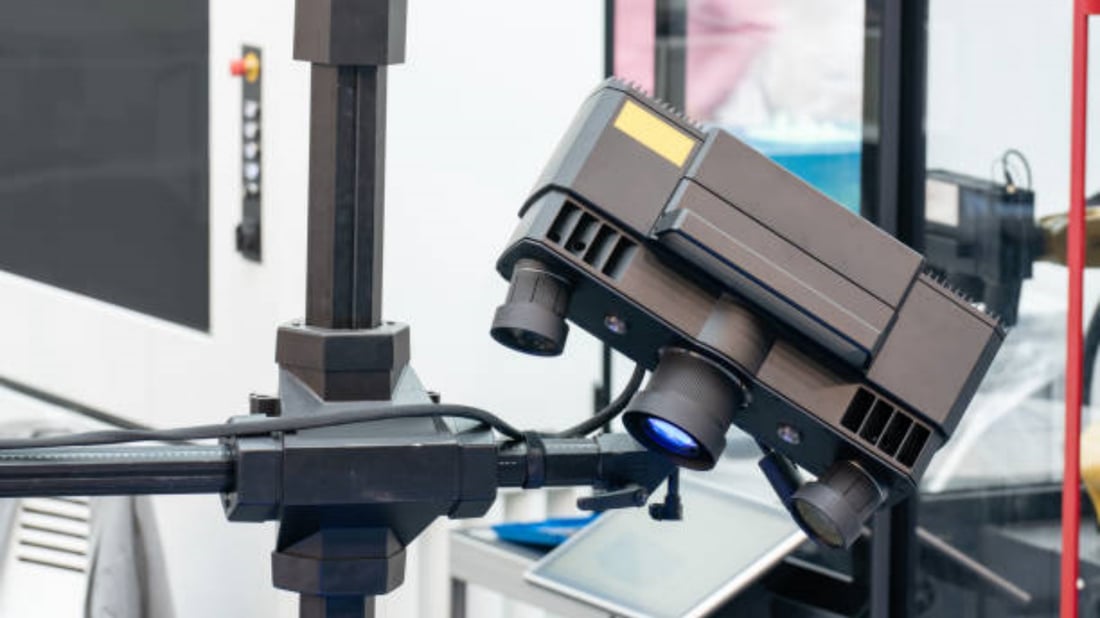
A 3D laser scanning vibrometer is a sophisticated measurement device designed to capture vibrational data in three-dimensional space with remarkable precision. Unlike traditional single-point contact sensors, this technology uses laser beams to scan an object's surface, offering non-contact, high-resolution vibration measurements. The ability to analyze vibration patterns in 3D has revolutionized industries requiring detailed structural and dynamic analyses.
Principles Behind the Technology
The core principle of a 3D laser scanning vibrometer revolves around laser Doppler vibrometry combined with advanced scanning optics. Lasers are directed at the target surface, and the reflected beam experiences a Doppler shift proportional to the vibration velocity. By scanning multiple points rapidly across the specimen’s surface, the vibrometer constructs a comprehensive three-dimensional vibration map.
Applications in Structural Health Monitoring
3D laser scanning vibrometers are extensively used in structural health monitoring of bridges, aircraft, and mechanical components. Their ability to detect anomalies at microscopic vibration levels enables early detection of faults or material fatigue without physically contacting the surface. This minimizes damage risks and reduces maintenance downtime.
Enhancing Automotive and Aerospace Testing
In automotive and aerospace industries, understanding vibrational behavior is critical for safety and performance enhancement. The 3D laser scanning vibrometer allows engineers to analyze complex vibration patterns of engines, turbines, and vehicle components under real operational conditions. This ensures optimized designs and accurate durability assessments.
Contribution to Material Science Research
Material scientists utilize 3D laser scanning vibrometers to investigate the dynamic properties of new materials. By mapping vibrations across different samples, researchers gain insights into internal stresses, elasticity, and damping characteristics. This information guides the development of materials with tailored mechanical properties for specialized applications.
Advantages over Conventional Measurement Techniques
Compared to contact-based sensors and 2D vibrometers, 3D laser scanning vibrometers offer superior spatial resolution and non-contact measurement capabilities. They eliminate mass-loading effects and measurement interference caused by physical probes. These advantages result in more accurate and reliable vibration analysis, especially on delicate or moving structures.
Integration with Finite Element Analysis (FEA)
Data obtained from 3D laser scanning vibrometers can be integrated seamlessly with finite element analysis software. This combination enhances model validation by correlating experimental vibration shapes with theoretical predictions, improving simulation accuracy. Engineers leverage this synergy to refine designs and anticipate potential issues before production.
Advancements in Real-time Vibration Mapping
Recent technological improvements have enabled real-time vibration mapping with 3D laser scanning vibrometers. Fast scanning speeds and sophisticated data processing algorithms facilitate immediate visualization of vibrational behavior. This capability is crucial for on-the-fly diagnostics and dynamic testing during manufacturing or field inspections.
Challenges in Implementation and Usage
Despite its benefits, the use of 3D laser scanning vibrometers involves challenges such as sensitivity to environmental conditions like vibrations, temperature fluctuations, and surface reflectivity. Calibration and setup require expertise to ensure accurate data acquisition. Additionally, high equipment costs may limit widespread adoption in some sectors.
Future Outlook and Innovations
The future of 3D laser scanning vibrometers looks promising with ongoing research focused on miniaturization, cost reduction, and enhanced data analytics powered by artificial intelligence. Integration with augmented reality for intuitive diagnostics and cloud-based data sharing platforms could further expand their applicability across multiple disciplines, making vibrational analysis more accessible and powerful.
Quote Inquiry
contact us