
The Wonders Of The Scanning Laser Doppler Vibrometer: Understanding Its Purpose and Capabilities
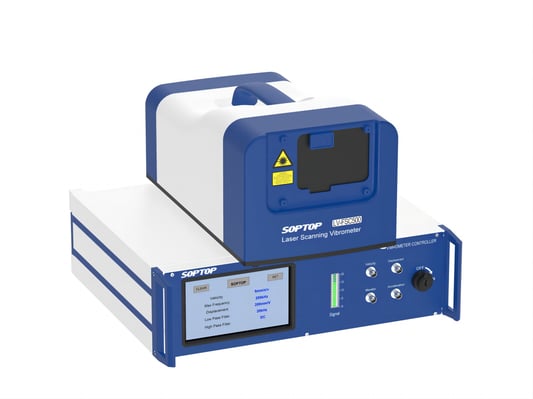
For experts looking to measure and analyze vibrations on a surface, the Scanning Laser Doppler Vibrometer is an essential tool. It can measure vibrations of almost any materials, be it plastic or metal, while simultaneously detecting the frequencies and amplitudes of different vibrating modes. This device is an improvement from previous technology, as it offers excellent performance and the ease of use. In this article, we will look at the various aspects of the scanning laser doppler vibrometer: its functions, advantages, and limitations.The Basics of Scanning Laser Doppler VibrometerA scanning laser doppler vibrometer, a type of non-contact optical laser vibrometer, works by using laser beams to make measurements on a surface. The system uses the doppler effect, where the frequency of light that is reflected from a surface changes in proportion to the vibrations of the surface. The laser measures changes to the frequency of the signal and translates them into different measurements such as displacement, velocity, and acceleration. The device can even measure objects that are transparent or that are moving, which was impossible with previous physical contact measurement tools. Uses of the Scanning Laser Doppler VibrometerThe scanning laser doppler vibrometer has a wide range of applications in various fields, including aerospace, automotive, medical, and industrial settings. By providing highly accurate vibration measurement data, it can help optimize the durability and efficiency of mechanical structures by pinpointing sources of noise or identifying faults within machinery.Benefits of Using Scanning Laser Doppler Vibrometer There are several benefits to using scanning laser doppler vibrometer compared to traditional vibration measurement techniques. As a non-contact measurement tool, it doesn't create any distortion or interfere with the mechanisms being studied, which can happen with contact measurement. Scanning laser doppler vibrometer also provides much higher resolution and sensitivity than other methods, allowing for the detection of tiny, high-frequency vibrations that would otherwise go unnoticed. Finally, this device is capable of measuring multiple vibration modes simultaneously, providing valuable insights on highly complex mechanical structures.Choosing the Right Scanning Laser Doppler VibrometerWhen choosing the right scanning laser doppler vibrometer, it is crucial to consider the specific requirements of your research or project. Some systems may be more capable of detecting high-frequency vibration, while others can work with a particular range of materials. Knowing what you want to measure and what you want to achieve with your results is essential in making the right choice.Limitations of Scanning Laser Doppler VibrometerLike any technology, the scanning laser doppler vibrometer has some limitations to consider. One is that it requires a direct line of sight to the object being measured, meaning that it cannot measure vibrations through a physical barrier. Besides, the efficiency of the device can be affected by factors such as the reflectivity and roughness of the surface. These challenges can be overcome by optimizing the environment or using a different measurement technique, such as a contact measurement tool.Factors That Can Affect the Accuracy of the Scanning Laser Doppler VibrometerSeveral factors can affect the accuracy of measurements taken by scanning the laser doppler vibrometer. Ideally, the measurement should be taken in a controlled environment with minimal vibration interference, such as in a laboratory. The distance between the object and the tool should also be precise, and any movement of the object during measurement can also affect the accuracy of the results. Scanning Laser Doppler Vibrometer: How It Compares to Other Vibration Measurement TechniquesAlthough scanning laser doppler vibrometer is a highly sensitive and precise vibration measurement tool, it is not the only option available. Other techniques such as accelerometers and strain gauges are still commonly used, and they offer different features and benefits. One significant advantage of these tools is that they can be more affordable and accessible than the high-end scanning laser doppler vibrometer devices available in the market. Future of Scanning Laser Doppler VibrometerAs technology continues to advance, the scanning laser doppler vibrometer will undoubtedly become even more sophisticated. Researchers are currently working on making the tool even more accurate and sensitive, expanding its range of applications even further. We can expect to see more fantastic advancements in this already incredible machine in the coming years. Conclusion: Why Use Scanning Laser Doppler Vibrometer? The scanning laser doppler vibrometer is a groundbreaking tool, the likes of which the industry has never seen. Thanks to its non-invasive and highly sensitive nature, it can detect even the tiniest vibrations and provide accurate measurements. It has proven to be a valuable tool in various areas of research and development, offering insights that were impossible to obtain with traditional measurement techniques. Overall, it's safe to say that the scanning laser doppler vibrometer is a tool worth having in any expert's toolkit who deals with mechanical structures.
READ MORE
Doppler Vibrometer: A Comprehensive Guide
Doppler Vibrometer: Definition, Applications, and AdvantagesA Doppler vibrometer is a powerful tool used to measure the vibration or motion of an object by detecting the frequency shift in the reflected laser beam. The technology is based on the Doppler effect and is widely used today in various industries, including aerospace, engineering, and medicine. This article will provide a comprehensive guide to Doppler vibrometry, outlining its definition, applications, and advantages.What is a Doppler Vibrometer?A Doppler vibrometer is a non-contact measurement system that operates on the principle of laser Doppler velocimetry. It detects the vibration or motion of an object by measuring the frequency shift in the reflected laser beam, which is proportional to the velocity of the moving object. The technology is highly accurate, fast, and versatile, making it a popular tool in many applications.Applications of Doppler VibrometryDoppler vibrometry is used in a wide range of industries and applications, including:Aerospace - for testing and monitoring the vibration of spacecraft, rockets, and other aerospace vehicles Engineering - for measuring and analyzing the vibration of structures, such as bridges, buildings, and machinery Medicine - for diagnosing and monitoring various medical conditions, such as cardiovascular diseases and hearing disorders Automotive - for evaluating the performance of engines and other automotive components Consumer electronics - for testing and refining the vibration performance of mobile phones, tablets, and other electronic devices Advantages of Doppler VibrometryThe main advantages of Doppler vibrometry are:Non-contact measurement - it does not require physical contact with the object being measured, making it suitable for delicate or hard-to-access objects High precision - it can detect very small amounts of vibration or motion with high accuracy Wide frequency range - it can measure vibrations with frequencies ranging from a few Hz to several MHz Fast data acquisition - it can measure vibration signals in real-time, allowing for quick analysis and feedback Types of Doppler VibrometersThere are several types of Doppler vibrometers available, with varying levels of accuracy and complexity. Some of the most common types include:Laser Doppler Vibrometer (LDV) - the most common type of Doppler vibrometer, which uses a single laser beam to measure velocity Multichannel Laser Doppler Vibrometer (MLDV) - a more complex version of LDV that uses multiple laser beams to increase accuracy Heterodyne Laser Doppler Vibrometer (HLDV) - a high-end version of LDV that uses two laser beams to measure velocity and displacement How to Use a Doppler VibrometerUsing a Doppler vibrometer requires some technical skill and training. Here are the basic steps:Connect the vibrometer to a power source and turn it on Adjust the laser beam position and focus to the object being measured Select the appropriate measurement mode and settings Start the measurement and collect the data Analyze the data and interpret the results Limitations of Doppler VibrometryAlthough Doppler vibrometry has many advantages, it also has some limitations that should be considered:Requires line-of-sight - the laser beam must have a clear path to the object being measured, which may not always be possible Single-point measurement - most Doppler vibrometers can only measure the velocity or displacement at a single point, which may not represent the entire object Expensive - Doppler vibrometers can be costly, especially high-end models with advanced features Requires technical expertise - using a Doppler vibrometer requires some technical knowledge and training, which may limit its use in some applications ConclusionDoppler vibrometry is a powerful technology that can be used to measure the vibration or motion of objects in many applications. It offers many advantages, including high precision, non-contact measurement, and fast data acquisition. While it has some limitations, such as the need for line-of-sight and technical expertise, it remains a popular tool in many industries.Quote InquiryContact Us
READ MORE
The Applications and Advantages of Laser Vibrometer for Precise Vibration Measurement
IntroductionLaser Vibrometer is an optical measuring device that is widely used in scientific experimentation and industrial applications. It is capable of measuring mechanical vibrations with high accuracy and precision, especially in small and delicate systems. This article gives a detailed overview of Laser Vibrometer, including its applications, advantages, and benefits.How Laser Vibrometer Operates?A Laser Vibrometer uses the laser Doppler effect to measure vibrations. The laser beam is directed onto the vibrating object, and the reflected light is captured by the device's sensor. The frequency shift of the laser light due to the movement of the object is measured and analyzed. This measurement can be used to calculate the displacement, velocity, and acceleration of the vibrating object.Applications of Laser VibrometerLaser Vibrometer is used in diverse fields of applications, including biomedical engineering, mechanical engineering, structural vibration analysis, and aerospace engineering. It is particularly useful in identifying micro-vibration levels in electronics, micromechanics, and other delicate mechanical systems. Aerospace engineers use Laser Vibrometers to study the vibration modes of airplane structures and to identify defects or damages that can jeopardize the aircraft flight. Advantages of Laser VibrometerUsing a Laser Vibrometer has several advantages over other vibration measurement techniques. It provides accurate and precise measurements of mechanical vibrations, and it is a non-contact measurement technique. It is especially useful when dealing with small-scale systems, where traditional measurement devices are not effective. Additionally, the Laser Vibrometer can be used to measure a wide range of frequencies, making it a versatile tool for researchers and engineers.Benefits of Laser VibrometerLaser Vibrometer has several benefits, including safety, convenience, and simplicity. As it is a non-contact measurement technique, it eliminates the need for sensors that can be damaged due to contact with the vibrating object, reducing the overall cost of the measurement system. Additionally, it reduces the risk of damaging the object under observation. Finally, the simplicity of the measurement process guarantees repeatability and enhances the accuracy of the measurement results.Limitations of Laser VibrometerAlthough Laser Vibrometer is a powerful measurement tool, it has certain limitations. One significant limitation is that it can only measure vibrations along the line-of-sight of the laser beam. It might be challenging to measure vibrations in objects where the direction of vibration is unknown or not aligned with the line-of-sight of the device. Additionally, Laser Vibrometer may require an environment free from environmental noise, which might not always be practical.Factors Affecting Laser Vibrometer MeasurementsVarious factors can affect Laser Vibrometer measurements. The most common factors include roughness, material properties, mode shapes, and the distance between the object and the device. Additionally, Laser Vibrometer can be subject to noise generated by environmental factors such as temperature, humidity, and wind speed.Laser Vibrometer in Production TestingLaser Vibrometer is used in production testing to inspect the quality of products. The technique is employed to measure vibration, sound, and noise in products such as automotive parts, engine components, and electronic devices. It is particularly useful in detecting defects such as misaligned components, loose connections, and faulty bearings.Future of Laser VibrometerThe future of Laser Vibrometer looks promising, with companies working to increase the measurement range and frequency spectrum of the device. Additionally, the cost of the equipment is dropping, making it more affordable for users. As a result, Laser Vibrometry will be used in more applications where fast and accurate measurements of mechanical vibrations are required.ConclusionIn summary, Laser Vibrometer is an essential non-contact measurement tool that is useful in the precise measurement of mechanical vibrations. Its benefits, including accuracy, repeatability, safety, and simplicity, make it a versatile tool in scientific experimentation and industrial applications. The future of the device looks bright, with users expected to increase in various fields, including biomedical engineering, material science, and production testing.Quote InquiryContact Us
READ MORE
Understanding the Power of Laser Doppler Vibrometer
IntroductionLaser Doppler Vibrometer (LDV) is an impressive technology that can identify and measure vibration non-invasively. It is extensively used in various engineering fields, including mechanical, aeronautical, and civil engineering. This article will delve into the various aspects of the Laser Doppler Vibrometer and the relevant benefits associated with the instrument. What is a Laser Doppler Vibrometer?A Laser Doppler Vibrometer is a non-contact optical measuring instrument that is used to measure and calculate the velocity and displacement of vibrations. The vibrating surface is illuminated by a laser beam, and the backscattered light from the surface is detected and analyzed by the detector. The instrument calculates the vibration velocity and displacement by comparing the Doppler frequency shift in the scattered light.The Functioning of LDVThe working principle of the Laser Doppler Vibrometer is based on the Doppler effect. The scattered light from the vibrating surface has a frequency shift that is proportional to the velocity of the surface. The LDV measures the backscattered light with the help of a detector and separates the frequency shift from the nonlinear and linear components of the scattered light, thereby enabling the calculation of velocity and displacement of the vibration non-invasively.Applications of LDVLaser Doppler Vibrometer is used in various industries, including aerospace, automotive, academic research, and civil engineering. The instrument has vast applications, including measuring vibrations in airplane wings, spacecraft structures, rotorcraft blades, measuring the vibratory characteristics of sound barriers, measuring the vibrational properties of buildings, and so on. Advantages of LDVThe strength of the LDV lies in its accuracy, precision, and non-invasiveness. Unlike traditional measuring instruments, LDV does not need to be in contact with the structure to measure the vibration. The non-contact approach eliminates the need for any modifications to the structure, thereby saving time, money, and effort. The accuracy provided by the LDV, which is measured in nanometers, makes it ideal for precise measurements.Limitations of LDVLDV has limitations too. The measuring instrument is sensitive to environmental disturbances, such as vibration and air currents. The instrument is also expensive and may not be within reach of organizations with limited budgets.LDV vs. Traditional Measuring ToolsLaser Doppler Vibrometer has numerous advantages over traditional vibration measuring tools. The traditional tools require physical contact with the structure, require modifications to the structure, and do not provide accurate measurements. LDV eliminates the need for physical contact with the structure, does not require modification, and provides accurate measurements in nanometers.Future Trends in LDVRecent advancements in LDV technology have expanded the application of the instrument into industries such as medical research, wind energy research, motorsport, and more. The upcoming trends in the development of LDV technology include compact and portable devices, smart systems with automatic data analysis features, and wider range of measurement frequencies.Training Required for LDV OperationThe operation of the Laser Doppler Vibrometer necessitates specialized training to operate because the instrument provides very delicate and sophisticated measurements. The user must be trained correctly to operate the instrument, analyze the data obtained, and interpret the results correctly.ConclusionLDV is a sophisticated technology that is ideal for non-contact vibration measurements. The accuracy, precision, and non-invasive nature of the instrument make it ideal for engineers, researchers, and scientists looking for advanced measuring tools. Additionally, the technology's advancements are continuously expanding its applications into other industries, making the Laser Doppler Vibrometer a viable choice for many.
READ MORE
Unlocking the Potential of Single Point Vibrometer: A Comprehensive Guide
IntroductionA single point vibrometer is an advanced device that measures the vibrations of objects, surfaces, or structures with high precision. This tool has become a game-changer in various fields, from mechanical engineering to biomedical research. In this article, we will explore the different aspects of single point vibrometer technology and its applications.What is a Single Point Vibrometer?A single point vibrometer is a non-contact device that uses a laser beam to measure the velocity, displacement, and acceleration of an object's surface. The laser beam bounces back from the surface, and the interference pattern is captured by a detector, which provides the measurement data. The advantage of using a single point vibrometer is that it does not affect the object's behavior or integrity, making it ideal for research and testing.The Advantages of Using a Single Point VibrometerSingle point vibrometers offer several advantages over other technologies, such as accelerometers or contact sensors. One of the key advantages is their non-invasive nature, which makes them suitable for sensitive materials and applications. Additionally, single point vibrometers provide high-precision measurements and can detect even the lowest vibration amplitudes, making them ideal for quality control and research purposes.Applications of Single Point VibrometerThe applications of single point vibrometer technology are widespread and diverse, ranging from aerospace to biomedical engineering. In the aerospace industry, single point vibrometers are used to test the vibration behavior of aircraft parts and engines, ensuring they are safe and reliable. In the biomedical field, single point vibrometers are used to study the mechanical properties of tissues and cells, providing insight into the fundamental principles of human physiology.Types of Single Point VibrometerThere are different types of single point vibrometers, depending on the measurement range, sensitivity, and frequency response. Broadly speaking, single point vibrometers can be categorized into two groups: heterodyne and homodyne vibrometers. Heterodyne vibrometers use two laser beams with different frequencies to measure the vibration of a surface, while homodyne vibrometers use a single laser beam and a reference mirror to capture the interference pattern.Factors to Consider When Choosing a Single Point VibrometerWhen choosing a single point vibrometer, there are several factors to consider, including the measurement range, sensitivity, accuracy, and price. Other factors include the size and weight of the device, the type of laser used, and the user interface. It is important to select a single point vibrometer that meets your specific needs and requirements, whether you are conducting research or performing industrial tests.Challenges of Using Single Point VibrometerUsing a single point vibrometer requires careful calibration and setup, to ensure accurate and reliable measurements. Factors such as temperature, vibration noise, and air currents can affect the performance of the device, and it is important to take these into account when using a single point vibrometer. Additionally, single point vibrometry can be challenging for novice users, and it may require some expertise to interpret the data correctly.The Future of Single Point VibrometerAs with many advanced technologies, the future of single point vibrometer looks promising, with new developments and applications on the horizon. One of the areas of focus is the miniaturization of single point vibrometers, making them suitable for in-situ and portable applications. Additionally, researchers are exploring the use of single point vibrometers in the study of nanoscale and quantum phenomena, providing insight into the fundamental principles of physics and engineering.ConclusionSingle point vibrometer technology is a powerful tool that has revolutionized the way we study and test materials, structures, and surfaces. With its non-contact, high-precision, and versatile nature, single point vibrometer is becoming an essential part of various scientific and engineering disciplines. Whether you are exploring new frontiers of research or ensuring the safety and quality of industrial products, a single point vibrometer can help you unlock a world of possibilities.Quote InquiryContact us
READ MORE
The Comprehensive Guide to Vibration Measuring Instruments Price
IntroductionVibration measuring instruments are tools that help in determining vibrations produced by machinery and equipment. These instruments are used to ensure smooth operation and maintenance of machines, which ultimately results in increased productivity and safety.The Cost of Vibration Measuring InstrumentsThe price of vibration measuring instruments varies considerably based on their features and specifications. Low-cost vibration meters can be purchased around $70, whereas high-end models can cost up to $1000 or more.Factors Affecting the Price of Vibration Measuring InstrumentsBelow are some of the factors that have a significant impact on the price of vibration measuring instruments:Accuracy: The accuracy of the instrument often correlates with its price. Higher accuracy models cost more than low-accuracy ones.Frequency Range: The frequency range of an instrument also plays a significant role in its cost. Instruments with higher frequency-range capabilities come at a premium price.Data Analysis Capabilities: Some instruments come equipped with software that enables data analysis, which is a significant factor in their pricing.Type of Sensor: The type of sensor used in the instrument affects its price. For instance, piezoelectric sensors are more expensive than accelerometers.Types of Vibration Measuring Instruments and Their PricesThere are different types of vibration measuring instruments available in the market. Here are some of the most common ones with their respective prices:Vibration Meters: The most common type of vibration measuring instrument; a basic model starts at around $70, and advanced versions may cost up to $300.Vibration Analyzers: These instruments provide in-depth vibro-acoustic analysis of equipment. Basic models can cost around $1000, whereas advanced versions can cost up to $20,000.Portable Balancing Systems: These instruments are used for field balancing of rotating machinery. They typically range between $2000 and $8000.Testing Shakers: These instruments are used to generate custom vibration signals for laboratory testing. They can cost up to $50,000 or more.Popular Brands of Vibration Measuring Instruments and Their PricesHere are some of the most popular brands of vibration measuring instruments in the market along with their respective prices:Fluke: A leading brand of vibration measuring instruments, Fluke offers a basic vibration meter for around $130, while advanced versions may cost up to $700.Bentley Nevada: They offer high-end vibration analyzers with prices ranging from $10,000 to $30,000.Wilcoxon Sensing Technologies: They offer a range of vibration measuring instruments, with prices starting from $100 and high-end models costing up to $1000.Hofmann Balancing: They specialize in the production of portable balancing systems, with prices ranging from $2500 to $8000.Where to Buy Vibration Measuring Instruments?Vibration measuring instruments can be purchased from various sources such as:Online marketplaces such as Amazon and eBayManufacturer's websitesIndustrial automation supply storesSpecialized vibration measurement instrument retailersConclusionVibration measuring instruments are crucial for ensuring the smooth and safe operation and maintenance of machines and equipment. The price of these instruments varies considerably, based on their features, specifications, and brand. Whether you are looking for a basic vibration meter or a high-end vibration analyzer, carefully evaluate your options and choose the instrument that best suits your requirements and budget.Quote InquiryContact us
READ MORE
Vibration Measurement Meter: Everything You Need to Know
IntroductionVibration can be a serious problem in various industrial settings, causing equipment damage and failures. Therefore, it is crucial to monitor and measure vibration intensity with a reliable tool called a vibration measurement meter. In this article, we explore the definition, types, features, and benefits of vibration measurement meters.What is a Vibration Measurement Meter?A vibration measurement meter is a device that measures the intensity of vibration or shock. It measures the acceleration, velocity, or displacement of an object's movement and produces an output in either a digital or analog signal. The device is usually portable, handheld, and easy to use.Types of Vibration Measurement MetersThere are several types of vibration measurement meters available, and they include:Accelerometers - measures the changes in acceleration and produces an output voltage proportional to acceleration.Velocity sensors - measures the rate of velocity change of an object and produces an output voltage proportional to its velocity.Displacement sensors - measures the change in distance between a moving object and a stationary reference point.What to Consider when Choosing a Vibration Measurement MeterBefore buying a vibration measurement meter, there are several factors to consider, such as:The frequency range and resolution of the meterThe accuracy and precision of the measurementsThe range and sensitivity of the measurementThe durability and ruggedness of the deviceThe ease of use and portability of the deviceApplications of Vibration Measurement MetersVibration measurement meters are used in various industrial applications, including:Machinery vibration analysis and diagnosticsBalancing of rotating machineryCondition monitoring of industrial equipmentTransportation and shipping of delicate goods and equipmentResearch and experiments in engineering and physicsBenefits of Vibration Measurement MetersSome of the benefits of using a vibration measurement meter include:Improved machine reliability and reduced downtimeEarly detection of potential machine failures and faultsImproved maintenance scheduling and prioritizationLower risk of equipment damage and costly repairsIncrease in overall safety in industrial environmentsHow to Use a Vibration Measurement MeterHere are some steps to follow when using a vibration measurement meter:Attach or mount the meter to the surface of the object being measuredTurn on the device and select the appropriate settingsBegin measuring the vibration or shock intensityRecord and analyze the measurementsInterpret the data and make necessary adjustments or repairs to the equipment being measuredTop Vibration Measurement Meter BrandsSome of the best brands of vibration measurement meters in the market include:FlukeBoschExtechSKFWilcoxon Sensing TechnologiesCost of Vibration Measurement MetersThe cost of vibration measurement meters varies depending on the brand, quality, and features. They can range from $50 to over $5000. However, a good quality and reliable device can cost anywhere between $300 and $1000, depending on the intended use.ConclusionVibration measurement meters are essential in the industrial setting and play a crucial role in machine maintenance and reliability. It's essential to choose the appropriate device with the right specifications and features, such as sensitivity, accuracy, and frequency range, and use it correctly to achieve the benefits of early detection and reducing equipment downtime.Quote InquiryContact us
READ MORE
Understanding Machine Vibration Measurement Instrument: A Comprehensive Guide
IntroductionMachine vibration is a common problem in industrial environments. It can lead to equipment failure, increased downtime, and decreased operational efficiency. A machine vibration measurement instrument is a tool designed to detect, analyze, and monitor equipment vibration to prevent costly damages. These instruments are used in various industries such as manufacturing, aerospace, and automotive to name a few.Types of Machine Vibration Measurement InstrumentsThere are several types of machine vibration measurement instruments available in the market, each with its unique features and capabilities. Some of the most commonly used instruments include:Accelerometers - used to measure the vibration acceleration of a machine.Velocity sensors - measure the vibration velocity of a machine.Proximity probes - measure the distance between a rotating machine component and a stationary point.Strain gauges - measure the stress and strain of a machine.Ultrasound devices - detect high-frequency sounds that indicate potential faults in a machine.Benefits of Machine Vibration Measurement InstrumentsThe use of machine vibration measurement instruments offers numerous benefits, including:Early detection of potential faults in a machineReduction of equipment failure and downtimeIncreased equipment lifespan and efficiencyImproved safety for operators and personnelReduced maintenance costsApplications of Machine Vibration Measurement InstrumentsMachine vibration measurement instruments have a wide range of applications across different industries:Manufacturing - used to monitor and maintain the performance of assembly line machines such as conveyors, pumps, and motors.Aerospace - used to detect vibration in aircraft engines, landing gear, and other critical systems.Automotive - used to measure the vibration in engines, transmissions, brakes, and suspension systems.Mining - used to monitor the performance of heavy-duty mining equipment such as crushers, screens, and conveyors.Power generation - used to detect vibration in turbines, generators, and other types of power equipment. How Machine Vibration Measurement Instruments WorkMachine vibration measurement instruments work by collecting vibration data from equipment using sensors such as accelerometers. This data is then analyzed using software to identify possible faults such as unbalanced rotors, misaligned shafts, and faulty bearings. The instrument displays key metrics such as vibration intensity, frequency spectrum, and time waveform, which helps operators to determine the type and severity of the fault.Factors to Consider When Choosing a Machine Vibration Measurement InstrumentWhen selecting a machine vibration measurement instrument, several factors must be considered, including:Measurement range and accuracyFrequency rangeData acquisition rateSoftware compatibility and ease of usePortability and ease of installationHow to Interpret Machine Vibration Measurement ResultsInterpreting machine vibration measurement results involves analyzing the amplitude, frequency, and time signatures of the obtained data. The amplitude represents the intensity of the vibration, while frequency signature indicates the frequency distribution of the vibration. The time waveform shows the pattern of vibration in a given period. Different types of faults have distinct vibration signatures, and experienced technicians can use the collected data to identify possible sources of the problem and recommend solutions.Best Practices for Using Machine Vibration Measurement InstrumentsTo obtain accurate and reliable results when using machine vibration measurement instruments, the following best practices should be followed:Regular calibration of the instrumentUsing appropriate filters to isolate and amplify relevant vibration frequenciesAccurately locating sensors in areas that vibrate the mostConducting measurements several times to ensure optimal resultsConducting routine maintenance on the instrument to keep it in optimum condition.ConclusionThe use of machine vibration measurement instruments plays an integral role in maintaining equipment reliability, uptime, safety, and efficiency across various industries. Proper selection and use of the instrument can minimize the risk of faults and save organizations monetary loss.Quote InquiryContact us
READ MORE
Industrial Vibration Meter: The Ultimate Guide
The Importance of industrial vibration meter in IndustriesIndustrial vibration meter is an important tool in various industries. It is designed to measure various types of vibrations, including acceleration, velocity, and displacement. The device is used to determine the potential hazards of vibrations to industrial equipment and ensure that they are operating within safe limits. Here are some of its prospect that makes it an essential component in various industries:What is Industrial Vibration Meter?An industrial vibration meter is a device used to measure vibration, which is the oscillation of a physical object. It measures various types of vibration, including acceleration, velocity, and displacement. The meter is commonly used in various industries, including manufacturing, mining, and construction, to evaluate the potential hazards of vibrations on equipment.Why is it Important in Industrial Applications?Industrial vibration meters are important for various reasons. One of the reasons is that they help ensure that machinery and equipment are operating within safe limits. Excessive vibrations can cause damage to equipment, which can result in costly repairs. They also help to prevent injuries to workers caused by prolonged exposure to vibrations.Types of Industrial Vibration MetersThere are various types of industrial vibration meters. They vary in features, capabilities, and accuracy. The most common types include single-axis, tri-axial, and specialty vibration meters. Single-axis meters measure vibration in one direction, while tri-axial meters measure vibration in three directions. Specialty meters have additional measurement capabilities, such as measuring temperature and humidity.Components of Industrial Vibration MetersIndustrial vibration meters consist of various components, each with a specific function. The most common components include the sensor, the amplifier, and the display. The sensor is the component that detects the vibration and converts it into an electrical signal. The amplifier is responsible for amplifying the signal, while the display shows the measurement units and values.How to Use an Industrial Vibration Meter?Using an industrial vibration meter is relatively simple. First, the user must ensure that the device is calibrated to provide accurate measurements. They should also ensure that the meter is set to measure the appropriate type of vibration. Next, the user should attach the sensor to the object being measured. The meter will then display the vibration measurement in the appropriate units.Benefits of Industrial Vibration MetersIndustrial vibration meters offer various benefits to industries. One of the main benefits is that they help reduce downtime caused by equipment failure. By monitoring vibrations, the meters help identify potential problems before they occur, allowing for more efficient maintenance. They also help to reduce the risk of worker injuries caused by vibration exposure.Factors to Consider When Choosing an Industrial Vibration MeterWhen choosing an industrial vibration meter, there are several factors to consider. These include the type of vibration being measured, the measurement accuracy, the measurement range, and the cost. Other factors to consider include the size of the device, the display type, and the battery type and life.Applications of Industrial Vibration MetersIndustrial vibration meters are used in various applications. These include monitoring the vibration of machinery and equipment, identifying potential problems before they occur, and determining the effects of vibrations on workers. They also play a critical role in ensuring that equipment is operating within safe limits, which helps reduce the risk of equipment failure and worker injuries.Limitations of Industrial Vibration MetersAlthough industrial vibration meters are highly effective in monitoring vibrations, they do have limitations. One of the limitations is that they cannot measure vibrations accurately in all directions. They also have limits to the range of vibration that they can measure. Finally, they can provide inaccurate readings if they are not calibrated appropriately or if there is excessive electrical interference.ConclusionIn conclusion, industrial vibration meters are an essential tool in various industries. They help ensure that equipment is operating within safe limits, reduce downtime caused by equipment failure, and prevent injuries caused by prolonged exposure to vibrations. When choosing an industrial vibration meter, it is essential to consider factors such as the type of vibration being measured, the measurement accuracy, and the cost.Quote InquiryContact us
READ MORE